Fluoxymesterone (Halo)
Synthetic Androgen | Experimental Steroid Research Compound
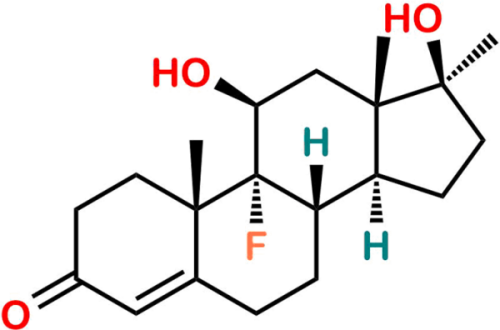
Fluoxymesterone (Halo) is a synthetic androgenic steroid that researchers examine in steroid chemistry, endocrine science, molecular biology, and analytical research. In particular, researchers study its molecular structure, androgen-related signaling, and chemical characteristics in controlled laboratory settings.
Fluoxymesterone also carries the name
Halotestin. Therefore, researchers can use both names when searching scientific and chemical databases. However, laboratories should always confirm the exact identity, purity, formulation, and batch details through current product documentation.
Fluoxymesterone Key Characteristics
- Product Name: Fluoxymesterone
- Common Name: Halo / Halotestin
- Compound Type: Synthetic androgenic steroid
- Research Category: Steroid, endocrine, and analytical research
- CAS Number: 76-43-7
- Molecular Formula: C₂₀H₂₉FO₃
- Molecular Weight: 336.4 g/mol
- Intended Application: Laboratory and analytical research
Researchers should check the applicable Certificate of Analysis (COA) before laboratory evaluation. In addition, they should compare the product label with the technical documentation.
Fluoxymesterone Research Profile
Researchers study
Fluoxymesterone to explore androgen-related molecular pathways and steroid structure. For example, laboratories can examine receptor interactions, molecular characteristics, and analytical behavior.
Furthermore, researchers can compare this compound with other steroid molecules. Such comparisons help researchers investigate structural differences, stability, and other measurable properties.
Halotestin and Steroid Research
Halotestin is a recognized name associated with fluoxymesterone. Historical pharmaceutical records identify Halotestin products as containing fluoxymesterone. (
dailymed.nlm.nih.gov)
However, researchers should separate historical pharmaceutical information from the specifications of a current research material. Therefore, laboratories should rely on current batch documentation when evaluating a specific product.
Fluoxymesterone Research Applications
Researchers may investigate this compound in several areas:
- Androgen-receptor research
- Steroid chemistry
- Endocrine signaling studies
- Molecular characterization
- Biochemical research
- Comparative steroid analysis
- Analytical chemistry
- Stability research
- Purity testing
- Structure–activity studies
Additionally, researchers can compare fluoxymesterone with related steroid compounds. As a result, these studies can reveal differences in molecular structure and analytical behavior.
Molecular and Analytical Research
The defined structure of
Fluoxymesterone (Halo) makes it suitable for analytical research. Researchers can examine molecular identity, purity, stability, and other physicochemical characteristics with appropriate laboratory methods.
Moreover, comparative studies can help researchers understand how structural features influence related steroid compounds. Therefore, analytical characterization remains an important part of controlled research.
Analytical and Quality Information
Researchers should review the relevant
Certificate of Analysis (COA) and technical documentation before laboratory evaluation. Depending on the batch, these records may include:
- Compound identity
- Chemical form
- Purity or assay
- Molecular characterization
- Batch or lot number
- Stability information
- Analytical test results
Furthermore, laboratories should verify that the supplied material matches its documented specifications before beginning research.
Fluoxymesterone Product Specifications
| Specification |
Details |
| Product Name |
Fluoxymesterone |
| Common Name |
Halo / Halotestin |
| Compound Type |
Synthetic androgenic steroid |
| CAS Number |
76-43-7 |
| Molecular Formula |
C₂₀H₂₉FO₃ |
| Molecular Weight |
336.4 g/mol |
| Research Category |
Steroid and analytical research |
| Application |
Laboratory and analytical research |
These chemical specifications match the PubChem record for fluoxymesterone. (
pubchem.ncbi.nlm.nih.gov)
Quality and Documentation
Good documentation helps researchers verify the identity and characteristics of the material. In addition, batch-specific records can provide useful information about purity, assay, and other analytical parameters.
Therefore, researchers should use current technical documentation when evaluating
Fluoxymesterone for laboratory research.
Frequently Asked Questions
What Is Fluoxymesterone?
Fluoxymesterone is a synthetic androgenic steroid that researchers study in steroid chemistry, endocrine science, molecular biology, and analytical research.
What Is Halotestin?
Halotestin is a name associated with fluoxymesterone. Historical U.S. labeling identifies Halotestin products as containing fluoxymesterone. (
dailymed.nlm.nih.gov)
What Is the Molecular Formula?
Fluoxymesterone has the molecular formula
C₂₀H₂₉FO₃ and a molecular weight of approximately
336.4 g/mol. (
pubchem.ncbi.nlm.nih.gov)
What Research Areas Study Fluoxymesterone?
Researchers may investigate androgen-receptor signaling, steroid chemistry, molecular characterization, analytical chemistry, endocrine pathways, and comparative steroid research.
Why Is a Certificate of Analysis Important?
A batch-specific
Certificate of Analysis helps researchers verify identity, purity, assay, and other analytical characteristics. Therefore, laboratories should review the COA before research use.
Important Research Disclaimer
Fluoxymesterone (Halo) is a pharmacologically active androgenic steroid intended on this page for scientific and laboratory research information. This description does not provide dosing, administration, or self-use instructions.
Researchers should distinguish pharmaceutical information from experimental research claims. Furthermore, they should follow applicable laboratory safety procedures, institutional requirements, and relevant regulations when working with pharmacologically active steroid materials.