
Description
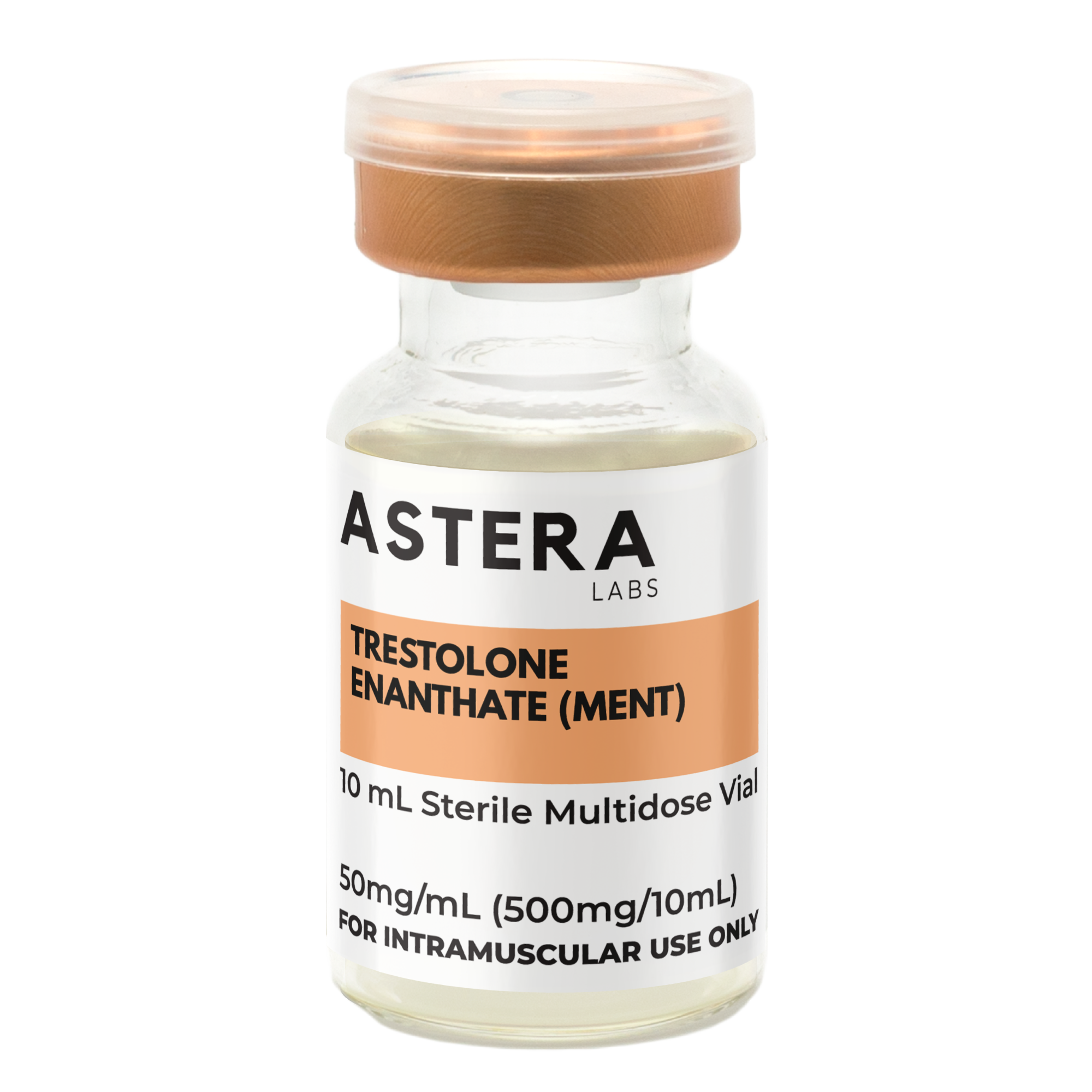
Trestolone Acetate (MENT)
Synthetic Androgen Ester | Experimental Endocrine Research Compound
Trestolone Acetate (MENT) is a synthetic steroid ester that researchers study in endocrine, androgen-receptor, reproductive, and analytical research. Researchers examine its molecular structure, steroid chemistry, androgen signaling, and related hormonal pathways in controlled laboratory settings.
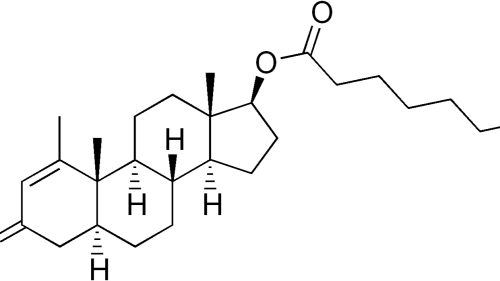
The acetate ester gives this compound a different structure from the parent steroid, trestolone (MENT). Therefore, researchers can compare the acetate form with other steroid structures during analytical and molecular studies.
Trestolone Acetate Key Characteristics
- Product Name: Trestolone Acetate
- Also Known As: MENT Acetate
- Parent Compound: Trestolone (MENT)
- Compound Type: Synthetic steroid ester
- Research Category: Endocrine, androgen, and steroid research
- CAS Number: 6157-87-5
- Molecular Formula: C₂₁H₃₀O₃
- Molecular Weight: 330.5 g/mol
- Intended Application: Laboratory and analytical research
Researchers should check the current product documentation before using the material. In addition, the applicable Certificate of Analysis (COA) can provide batch-specific information about identity, purity, and other characteristics.
Trestolone Acetate Research Profile
Researchers examine Trestolone Acetate to better understand androgen-related signaling and the chemical behavior of esterified steroid compounds. In particular, they can compare the acetate ester with trestolone to investigate structural and analytical differences.
Furthermore, trestolone research includes endocrine and reproductive studies. However, researchers should keep evidence for the parent compound separate from evidence that specifically concerns the acetate ester.
MENT Research and Androgen Signaling
MENT refers to trestolone, the parent steroid associated with Trestolone Acetate. Researchers investigate MENT in studies involving androgen-receptor activity, endocrine signaling, and hormonal regulation.
At the same time, the acetate ester gives researchers another structure for comparative analysis. As a result, laboratories can examine how esterification changes chemical and analytical properties.
Trestolone Acetate Research Applications
Researchers may investigate this compound in several areas:
- Androgen-receptor research
- Endocrine signaling
- Reproductive biology
- Hormonal regulation studies
- Steroid chemistry
- Comparative steroid research
- Molecular characterization
- Analytical testing
- Structure–activity research
- Biochemical studies
Moreover, researchers can compare this ester with other steroid compounds. Such comparisons can reveal differences in molecular structure, stability, and analytical behavior.
Steroid Chemistry Research
The acetate group creates a defined structural modification of trestolone. Therefore, Trestolone Acetate research can help laboratories examine esterification and related chemical properties.
In addition, researchers can study identity, purity, stability, and molecular characteristics with suitable analytical methods. These studies can help distinguish the acetate ester from other trestolone forms and related steroid compounds.
Analytical and Quality Information
Researchers should review the applicable Certificate of Analysis (COA) and technical documentation before laboratory evaluation. Depending on the batch, these records may include:
- Compound identity
- Chemical form
- Purity or assay
- Molecular characterization
- Batch or lot number
- Stability information
- Analytical test results
Furthermore, laboratories should compare the product label with the supporting documentation. This step helps researchers maintain accurate records and consistent research workflows.
Trestolone Acetate Product Specifications
| Specification | Details |
|---|---|
| Product Name | Trestolone Acetate |
| Alternative Name | MENT Acetate |
| Parent Compound | Trestolone (MENT) |
| Compound Type | Synthetic steroid ester |
| CAS Number | 6157-87-5 |
| Molecular Formula | C₂₁H₃₀O₃ |
| Molecular Weight | 330.5 g/mol |
| Research Category | Endocrine and steroid research |
| Application | Laboratory and analytical research |
These specifications describe the reported Trestolone Acetate compound. However, researchers should confirm the exact material through current supplier documentation and the applicable COA.
Quality and Documentation
Good documentation helps researchers verify the identity and quality of Trestolone Acetate. In addition, batch-specific records can provide information about purity, assay, and other analytical parameters.
Therefore, laboratories should rely on current technical documentation when evaluating the material for research.
Frequently Asked Questions
What Is Trestolone Acetate?
Trestolone Acetate is a synthetic steroid ester and an acetate derivative of trestolone, also known as MENT. Researchers study it in endocrine, androgen, reproductive, and steroid chemistry research.
What Is MENT?
MENT refers to trestolone, the parent steroid associated with Trestolone Acetate. Researchers study MENT separately from its ester forms.
What Is the CAS Number?
The reported CAS number for Trestolone Acetate is 6157-87-5.
What Is the Molecular Formula?
Trestolone Acetate has the molecular formula C₂₁H₃₀O₃ and a reported molecular weight of approximately 330.5 g/mol.
What Research Areas Study Trestolone Acetate?
Researchers may investigate androgen-receptor signaling, endocrine pathways, reproductive biology, steroid chemistry, molecular characterization, and analytical research.
Why Is a Certificate of Analysis Important?
A batch-specific Certificate of Analysis helps researchers verify identity, purity, assay, and other analytical characteristics. Therefore, laboratories should review the COA before research use.
Important Research Disclaimer
Trestolone Acetate is an investigational research compound intended strictly for laboratory and analytical purposes. It is not intended for human or veterinary self-use, diagnosis, treatment, or disease prevention.
Researchers should follow appropriate laboratory safety procedures, institutional requirements, and applicable regulations when working with pharmacologically active steroid research materials.


Leave a Reply