
Description
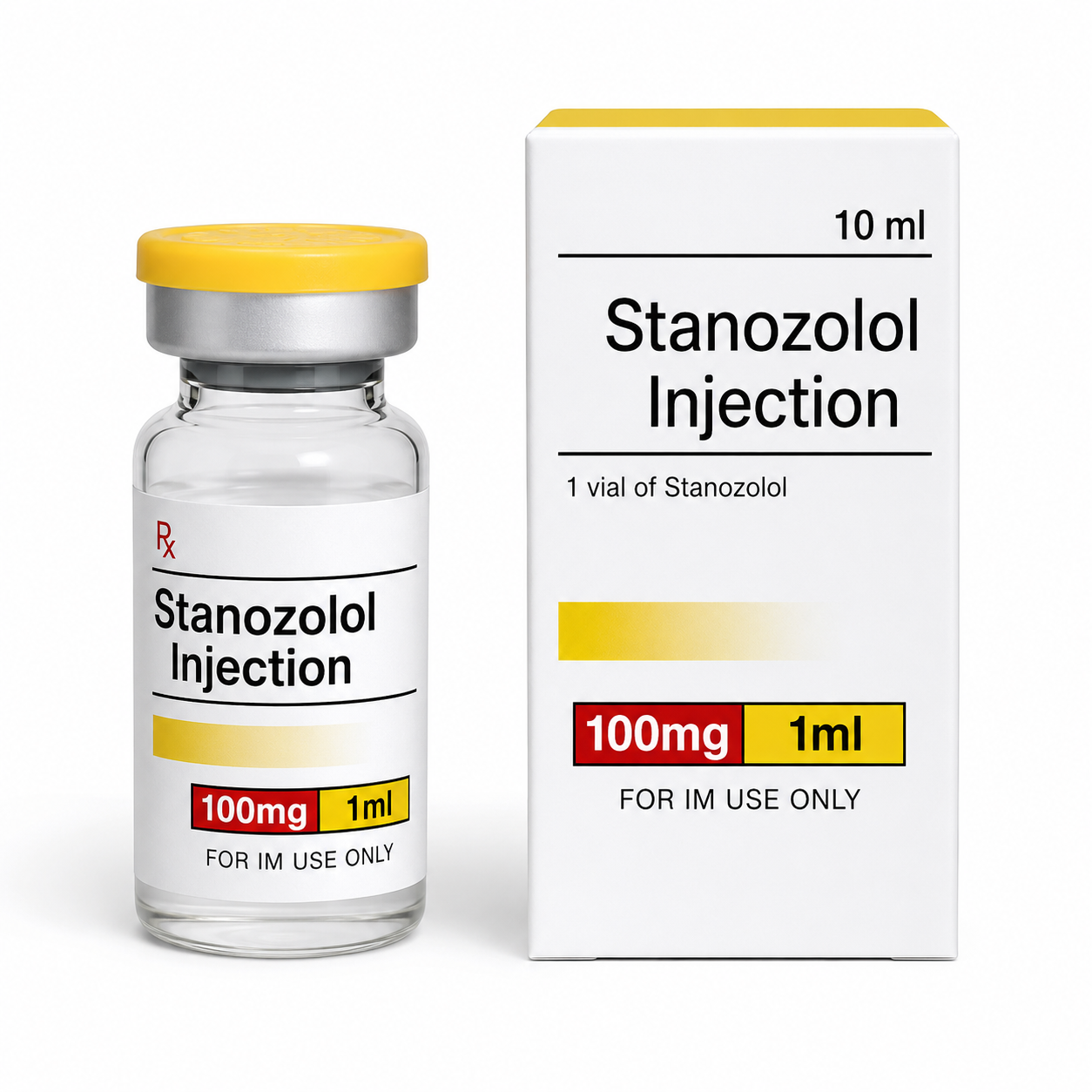
Stanozolol Winstrol Micro
Stanozolol | Winstrol | Synthetic Steroid Research Compound
Stanozolol is a synthetic steroid compound studied in steroid chemistry, endocrine research, molecular biology, and analytical science. Researchers examine its molecular structure, androgen-related signaling, and other biochemical characteristics in controlled laboratory settings.
In addition, Winstrol is a commonly used name associated with Stanozolol. Therefore, researchers can use the material as a defined subject for comparative steroid studies, molecular characterization, and analytical research.
Stanozolol Key Characteristics
- Product Name: Stanozolol Winstrol Micro
- Active Compound: Stanozolol
- Common Name: Winstrol
- Compound Type: Synthetic anabolic-androgenic steroid
- CAS Number: 302-96-5
- Molecular Formula: C₂₁H₃₂N₂O
- Molecular Weight: 328.5 g/mol
- Research Areas: Steroid chemistry, endocrine research, molecular biology, and analytical research
- Intended Application: Laboratory and analytical research
Furthermore, researchers should verify product-specific purity, concentration, formulation, and batch information through the applicable supplier documentation.
Stanozolol Research Profile
Researchers investigate Stanozolol to understand the characteristics of synthetic steroid compounds and related molecular pathways. In particular, laboratory studies may examine steroid structure, androgen-related signaling, receptor interactions, and biochemical responses.
Moreover, analytical laboratories can assess identity, purity, stability, and other measurable properties. As a result, the compound can support controlled biochemical and comparative studies.
Winstrol Research Applications
Researchers may investigate Winstrol and related Stanozolol materials in areas such as:
- Steroid chemistry
- Androgen receptor research
- Endocrine pathway studies
- Molecular characterization
- Comparative steroid research
- Biochemical assays
- Purity and identity testing
- Stability investigations
- Analytical characterization
Additionally, laboratories can compare this material with structurally related steroids. In this way, researchers can examine differences in molecular structure, analytical behavior, and other measurable characteristics.
Steroid and Molecular Research
Stanozolol provides a defined research model for studying synthetic steroid structures. For example, researchers can examine molecular interactions, receptor-related pathways, and other biochemical characteristics under controlled conditions.
Furthermore, analytical studies can help laboratories evaluate the identity and quality of a research material. Consequently, appropriate characterization methods play an important role in comparative steroid research.
Research Advantages
Defined Steroid Research Model
Stanozolol provides researchers with a defined steroid compound for controlled laboratory investigations.
Androgen-Related Research
Researchers can examine the compound in experimental studies involving androgen-related signaling and receptor pharmacology.
Comparative Steroid Studies
In addition, laboratories can compare Stanozolol with related steroids to investigate differences in molecular and analytical characteristics.
Analytical Research
Researchers can assess the supplied material for identity, purity, stability, and other documented properties using suitable analytical methods.
Analytical and Quality Information
For laboratory research, researchers should review the relevant Certificate of Analysis (COA) and batch documentation. Depending on the material, the documentation may include:
- Compound identity
- Purity or assay
- Molecular characterization
- Batch or lot number
- Stability information
- Analytical test results
- Product-specific specifications
Moreover, researchers should confirm that the supplied material matches the current documentation before beginning laboratory evaluation.
Product Specifications
| Specification | Details |
|---|---|
| Product Name | Stanozolol Winstrol Micro |
| Active Compound | Stanozolol |
| Common Name | Winstrol |
| Compound Type | Synthetic anabolic-androgenic steroid |
| CAS Number | 302-96-5 |
| Molecular Formula | C₂₁H₃₂N₂O |
| Molecular Weight | 328.5 g/mol |
| Research Category | Steroid and analytical research |
Quality and Documentation
Good documentation helps laboratories verify the identity and characteristics of the material. In addition, batch-specific records can provide useful information about purity, assay, stability, and other analytical parameters.
For this reason, researchers should rely on current supplier documentation when evaluating product-specific characteristics. Similarly, analytical records should support any claims about the material’s quality or composition.
Frequently Asked Questions
What Is Stanozolol?
It is a synthetic steroid compound studied in steroid chemistry, endocrine research, molecular biology, and analytical science.
Is Stanozolol the Same as Winstrol?
Winstrol is a commonly used name associated with Stanozolol. However, researchers should verify the exact material and specifications through the applicable product documentation.
What Is the CAS Number of Stanozolol?
The CAS number is 302-96-5.
What Is the Molecular Formula of Stanozolol?
The molecular formula is C₂₁H₃₂N₂O, with a molecular weight of approximately 328.5 g/mol.
What Research Areas Study Stanozolol?
Research may include steroid chemistry, androgen-related signaling, endocrine pathways, molecular characterization, biochemical studies, and analytical testing.
Is Stanozolol a Peptide?
No. It is a synthetic steroid compound, not a peptide.
Is a Certificate of Analysis Available?
A batch-specific Certificate of Analysis may provide information about identity, purity, assay, and other analytical characteristics. Therefore, researchers should review the documentation supplied with the applicable material.
Important Research Disclaimer
Product is intended strictly for laboratory and analytical research purposes. It is not intended for human or veterinary consumption, self-administration, diagnosis, treatment, or disease prevention.
Finally, researchers should follow applicable laboratory safety procedures, institutional requirements, and regulations when working with steroid research materials. This description does not provide dosing, administration, cycling, or performance-enhancement instructions.

Leave a Reply