
Description
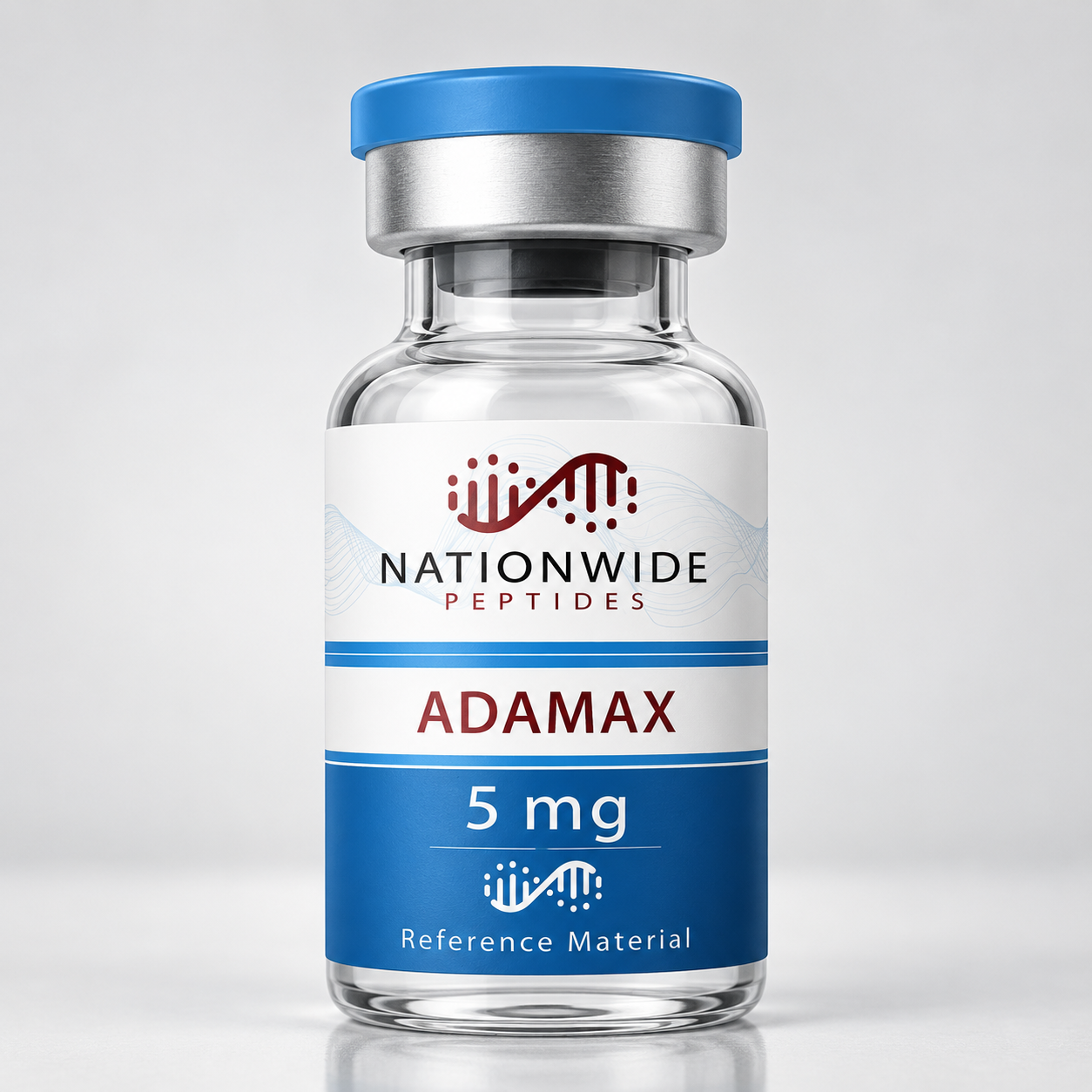
Adamax
Experimental Synthetic Peptide | Research-Use Compound
Adamax is an experimental synthetic peptide compound discussed primarily in the context of Semax-related neuropeptide research. Public information about this compound remains limited, and different commercial sources describe its identity and structure inconsistently. Therefore, researchers should verify the specific material through the supplier’s Certificate of Analysis (COA) and batch-specific documentation before laboratory use.
Some research-market sources describe this material as a modified Semax-related peptide with an adamantane-based structural element. However, authoritative literature does not consistently establish one definitive structure for all materials sold under this name. Consequently, laboratories should rely on product-specific analytical documentation when evaluating the material.
Adamax Research Areas
Researchers may investigate this experimental peptide in areas such as:
- Neuropeptide research
- Peptide structure–activity studies
- Molecular stability research
- CNS-related experimental models
- Comparative peptide research
- Analytical characterization
- Peptide identity testing
- Purity assessment
Additionally, laboratories can use suitable analytical techniques to examine molecular identity, purity, stability, and other measurable characteristics.
Adamax Research Profile
The main limitation surrounding Adamax research is the small amount of direct published evidence available for the compound itself. For example, claims involving cognition, focus, neuroprotection, BDNF modulation, or similar biological effects may come from studies of related compounds such as Semax rather than direct studies of this material.
Therefore, researchers should distinguish clearly between compound-specific evidence and findings obtained from related peptides. This distinction is important when interpreting experimental results and preparing scientific documentation.
Research Applications
This experimental peptide may be examined in controlled studies involving:
- Peptide chemistry
- Molecular characterization
- Stability research
- Comparative peptide analysis
- Structure–activity research
- Analytical identification
- Purity and batch evaluation
Furthermore, laboratories may compare the material with related peptide compounds to investigate differences in structure, stability, and analytical characteristics.
Research Advantages
Experimental Peptide Research
The compound provides researchers with an uncommon synthetic peptide subject for investigating molecular and analytical characteristics.
Comparative Research
Researchers can compare it with related peptide materials to examine differences in structure, stability, and other measurable properties.
Analytical Research
Laboratories can evaluate the supplied material using appropriate analytical workflows for identity, purity, molecular characterization, and stability.
Batch Verification
Batch-specific COA documentation can help researchers verify identity, purity, and applicable analytical specifications. As a result, product documentation becomes particularly important when commercial descriptions vary.
Quality and Documentation
Before laboratory use, researchers should review available documentation, including:
- Peptide identity
- Purity or assay
- Lot or batch number
- Molecular characterization
- Analytical testing results
- Storage requirements
- Certificate of Analysis (COA)
Moreover, laboratories should compare the supplied documentation with the material label and their internal research requirements.
Analytical Characterization
Appropriate laboratory methods can help confirm whether the supplied material matches its documented specifications. Depending on the research objective, testing may examine:
- Molecular identity
- Peptide composition
- Purity
- Stability
- Batch consistency
- Chromatographic characteristics
- Mass-spectrometric characteristics
However, analytical results should always be interpreted according to the specific batch and validated laboratory methods.
Frequently Asked Questions
What Is Adamax?
Adamax is an experimental synthetic peptide compound associated with Semax-related neuropeptide research.
What Research Areas Study This Compound?
Research may involve peptide chemistry, molecular characterization, analytical testing, comparative peptide studies, and experimental neuropeptide research.
Is Its Structure Fully Established?
No single definitive structure is consistently established across available commercial descriptions. Therefore, researchers should verify the actual material through batch-specific documentation and analytical testing.
Is Adamax the Same as Semax?
No. It is discussed as a Semax-related compound, but findings from Semax research should not automatically be applied to this material.
Why Is a COA Important?
A Certificate of Analysis can provide batch-specific information about identity, purity, analytical testing, and other relevant characteristics.
Important Research Disclaimer
This product is an experimental research compound intended strictly for laboratory and analytical purposes. It is not intended for human or veterinary consumption, diagnosis, treatment, prevention, or mitigation of disease.
Claims established for Semax or other related peptides should not be presented as proven effects of this compound itself. Direct evidence remains limited; therefore, researchers should evaluate compound-specific findings independently and avoid extrapolating safety, efficacy, pharmacokinetic, or long-term human effects from related materials.


Leave a Reply