
Description
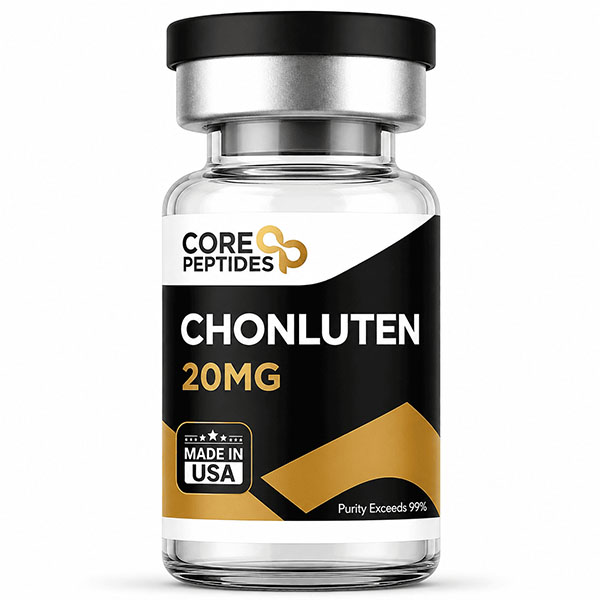
Chonluten
Synthetic Tripeptide | Experimental Cellular and Respiratory Research Compound
Chonluten is an experimental synthetic tripeptide commonly identified as Glu-Asp-Gly (EDG). Researchers investigate Chonluten in peptide chemistry, cellular biology, inflammatory signaling, immune-cell models, and related laboratory research. The available evidence remains limited and primarily experimental; therefore, researchers should distinguish laboratory findings from established human clinical evidence.
In addition, the exact identity and formulation of materials sold under the Chonluten name should be verified through supplier documentation. Batch-specific analytical information is particularly important when publishing sequence, purity, or molecular-weight claims.
Key Characteristics Chonluten
- Product Name: Chonluten
- Common Sequence: Glu-Asp-Gly (EDG)
- Peptide Length: 3 amino acids
- Product Type: Synthetic tripeptide
- Research Stage: Experimental / primarily preclinical
- Research Areas: Cellular signaling, inflammatory research, immune-cell studies, and peptide characterization
- Intended Use: Laboratory and analytical research
- Reported Molecular Weight: Approximately 319.27 g/mol
Chonluten Research Profile
Researchers study Chonluten as a short peptide in experimental models involving cellular signaling and inflammatory pathways. For example, a 2022 study included Chonluten among several short peptides examined in the THP-1 monocyte/macrophage cell model.
However, the direct research literature on Chonluten remains limited. Consequently, findings associated with related peptides or broader respiratory research should not automatically be presented as evidence for Chonluten itself. Current research summaries also note the absence of robust controlled human clinical evidence for this specific compound.
Chonluten Research Applications
Researchers may investigate Chonluten in controlled laboratory studies involving:
- Cellular signaling
- Inflammatory pathway research
- Monocyte and macrophage models
- Cell-proliferation studies
- Gene-expression research
- Immune-response research
- Peptide structure–activity studies
- Peptide stability research
- Analytical characterization
- Comparative short-peptide research
Furthermore, laboratories can compare Chonluten with other short peptide compounds to examine sequence-dependent differences in molecular and cellular responses.
Cellular and Immune Research
Chonluten research includes experimental work examining cellular responses and inflammatory signaling. In particular, research involving THP-1 monocyte/macrophage models has investigated the effects of Chonluten on inflammatory and proliferative pathways.
At the same time, researchers should interpret these findings within the limits of the experimental model. Cell-culture observations do not by themselves demonstrate equivalent effects in animals or humans.
Respiratory Research Context
Chonluten is often discussed commercially in connection with respiratory or bronchial research. However, the available evidence requires careful interpretation. Current research reviews note that the specific published evidence for Chonluten is limited, and some respiratory claims associated with the broader Khavinson peptide literature may involve different compounds.
Therefore, product descriptions should avoid presenting Chonluten as an established treatment or as having proven benefits for asthma, COPD, bronchitis, respiratory infection, or other medical conditions.
Research Advantages
Defined Short-Peptide Model
Chonluten provides researchers with a small peptide sequence for controlled biochemical and cellular investigations.
Cellular Research Utility
Researchers can examine the compound in experimental models involving cellular signaling, immune-cell responses, and inflammatory pathways.
Comparative Peptide Research
Chonluten can be evaluated alongside other short peptides to investigate sequence-dependent differences in experimental responses.
Analytical Characterization
Laboratories can assess the supplied material for identity, purity, molecular mass, concentration, stability, and other relevant analytical characteristics.
Analytical and Quality Information
For legitimate research applications, researchers should review the applicable Certificate of Analysis (COA) and batch documentation. Depending on the specific material, documentation may include:
- Peptide identity
- Amino-acid sequence
- Purity or assay
- Molecular-weight confirmation
- Peptide content
- Batch or lot number
- Stability information
- Analytical testing results
Moreover, the current product page specifically recommends verifying the exact material through supplier documentation because commercial sources may report different sequences or formulations under the Chonluten name.
Chonluten Product Specifications
| Specification | Details |
|---|---|
| Product Name | Chonluten |
| Sequence | Glu-Asp-Gly (EDG) |
| Peptide Length | 3 amino acids |
| Molecular Weight | Approximately 319.27 g/mol |
| Category | Synthetic tripeptide |
| Research Stage | Experimental / primarily preclinical |
| Application | Laboratory and analytical research |
| Documentation | Batch-specific COA recommended |
The current product page lists 20 mg × 10 vials and a larger 10-kit option.
Frequently Asked Questions
What Is Chonluten?
It is an experimental synthetic tripeptide commonly identified as Glu-Asp-Gly (EDG). It has been investigated in cellular, inflammatory, immune, and peptide research.
What Is the Chonluten Sequence?
The product page identifies the sequence as Glu-Asp-Gly (EDG). Researchers should confirm the sequence against the COA for the specific batch.
What Research Areas Study Chonluten?
Research may involve cellular signaling, inflammatory pathways, immune-cell models, gene-expression studies, peptide characterization, and comparative short-peptide research.
Has Chonluten Been Studied in Humans?
Robust controlled human clinical evidence has not been established for Chonluten. Current published evidence remains limited and predominantly laboratory or preclinical.
Is Chonluten an Approved Treatment?
No established approved therapeutic indication should be inferred from the available research. The product should be presented as an experimental research compound rather than as a treatment for respiratory or inflammatory conditions.
Important Research Disclaimer
Product is an experimental research peptide intended strictly for laboratory and analytical purposes. It is not intended for human or veterinary consumption, diagnosis, treatment, prevention, or mitigation of disease.
Researchers should distinguish Chonluten-specific evidence from findings involving other peptides. In addition, laboratories should verify the exact identity, sequence, purity, and formulation of each batch through appropriate analytical documentation before use.

GHK-CU-50mgTB500-10mgBPC157-10mgKPV-10mg-Blend-500x500.jpg)

Leave a Reply