
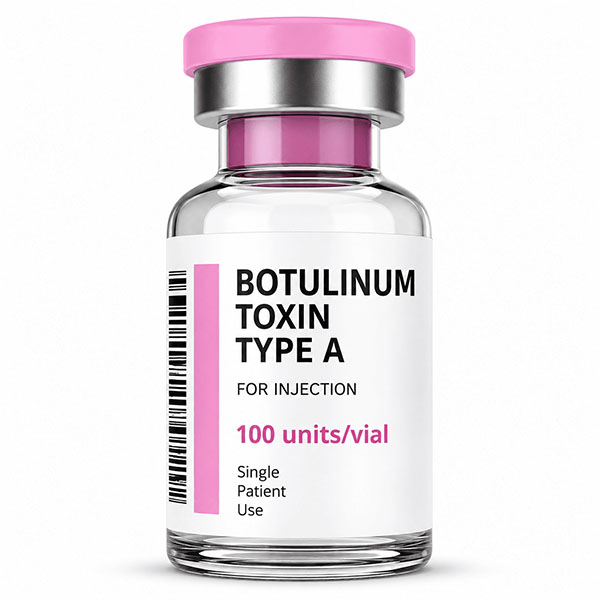
Description
Botulinum Toxin
Botulinum Neurotoxin | Neuromuscular and Molecular Research
Botulinum Toxin is a highly potent neurotoxin studied in molecular biology, neurobiology, neuromuscular signaling, and biochemical research. Researchers investigate botulinum neurotoxins to better understand neurotransmitter release, synaptic proteins, neuronal signaling, and toxin–protein interactions.
Because different serotypes have different molecular targets, researchers should verify the exact toxin type, formulation, and batch specifications through the applicable product documentation before authorized laboratory research.
Botulinum Toxin Key Characteristics
- Product Name: Botulinum Toxin
- Category: Neurotoxin research material
- Research Areas: Neurobiology, neuromuscular signaling, molecular biology, and biochemical research
- Primary Research Focus: Neurotransmitter release and synaptic mechanisms
- Research Application: Laboratory and analytical research
The exact serotype, formulation, concentration, activity, and other product specifications should come from the applicable technical documentation and batch-specific Certificate of Analysis.
Botulinum Toxin Research Profile
Researchers study Botulinum Toxin to investigate how neurotoxins interact with peripheral nerve terminals and interfere with neurotransmitter release. In particular, botulinum neurotoxins act on proteins involved in synaptic vesicle fusion.
For example, botulinum neurotoxin type A and type E target SNAP-25, while other serotypes target different SNARE proteins. Therefore, researchers can compare serotypes to examine differences in substrate recognition and molecular activity.
Botulinum Neurotoxin Research Applications
Research involving botulinum neurotoxins may include:
- Neuromuscular signaling studies
- Neurotransmitter-release research
- Synaptic protein research
- SNAP-25 studies
- SNARE protein research
- Toxin–protein interaction studies
- Molecular neurobiology
- Biochemical characterization
- Comparative neurotoxin research
- Analytical identification
Additionally, researchers can investigate different toxin types to study their molecular targets, substrate specificity, and biological characteristics.
Molecular and Biochemical Research
Botulinum neurotoxin research provides an experimental model for studying highly specific interactions between neurotoxins and neuronal proteins. Consequently, researchers can examine processes related to synaptic vesicle fusion, neurotransmitter release, and protein cleavage.
Furthermore, analytical research can help investigators identify and differentiate botulinum neurotoxin types. This makes molecular characterization an important part of controlled research involving these materials.
Neuromuscular Research
Botulinum neurotoxins provide a well-established research model for investigating communication between nerves and muscles. Researchers can examine how changes in neurotransmitter release affect neuromuscular signaling and related cellular mechanisms.
However, the biological response depends on the specific toxin serotype and experimental system. Therefore, researchers should interpret findings according to the documented material and study design.
Comparative Neurotoxin Research
Different botulinum neurotoxin serotypes can target different intracellular proteins. For instance, types A and E cleave SNAP-25, while other types primarily target synaptobrevin/VAMP or related SNARE components.
As a result, comparative research can help investigators understand differences in substrate specificity, molecular activity, and neuromuscular effects.
Analytical and Quality Information
For laboratory applications, researchers should review the relevant Certificate of Analysis (COA) and technical documentation. Depending on the specific material, documentation may include:
- Exact toxin identity or serotype
- Protein characterization
- Purity information
- Activity or assay information
- Batch or lot number
- Stability information
- Storage requirements
- Analytical test results
Moreover, researchers should confirm that the supplied material matches its documented specifications before any authorized research activity.
Product Specifications
| Specification | Details |
|---|---|
| Product Name | Botulinum Toxin |
| Product Type | Neurotoxin research material |
| Research Category | Molecular and neuromuscular research |
| Primary Research Focus | Neurotransmitter and synaptic signaling |
| Application | Laboratory and analytical research |
| Documentation | Batch-specific COA recommended |
Exact product-specific specifications should always be taken from the applicable supplier documentation rather than assumed from the general term “Botulinum Toxin.”
Frequently Asked Questions
What Is Botulinum Toxin?
Botulinum Toxin refers to a group of highly potent neurotoxins studied for their effects on neurotransmitter release and neuromuscular signaling.
What Does Botulinum Toxin Research Examine?
Researchers examine neuromuscular transmission, synaptic proteins, neurotransmitter release, toxin–protein interactions, and molecular mechanisms associated with neurotoxicity.
Do Different Botulinum Toxin Types Have Different Targets?
Yes. Different serotypes can cleave different proteins involved in synaptic vesicle fusion. For example, types A and E target SNAP-25, while several other types target synaptobrevin/VAMP.
Is Every Botulinum Toxin Product the Same?
No. Serotype, subtype, formulation, and product characteristics can differ. Therefore, researchers should verify the exact identity and specifications of the material being studied.
Is Botulinum Toxin a Peptide?
Botulinum neurotoxins are large protein toxins rather than conventional short research peptides.
Important Research Disclaimer
Botulinum Toxin is an extremely potent neurotoxic research material intended only for appropriately authorized laboratory and analytical research. It is not intended for human or veterinary consumption, self-administration, diagnosis, treatment, or disease prevention.
Exposure to botulinum neurotoxin can cause life-threatening paralysis by blocking acetylcholine release. CDC also notes serious risks associated with unsafe or unlicensed botulinum toxin products.
Researchers and institutions should follow applicable biosafety, regulatory, and institutional requirements when working with botulinum neurotoxin materials.
GHK-CU-35mgTB500-10mgBPC157-5mg-Blend-500x500.png)


Leave a Reply