
Description
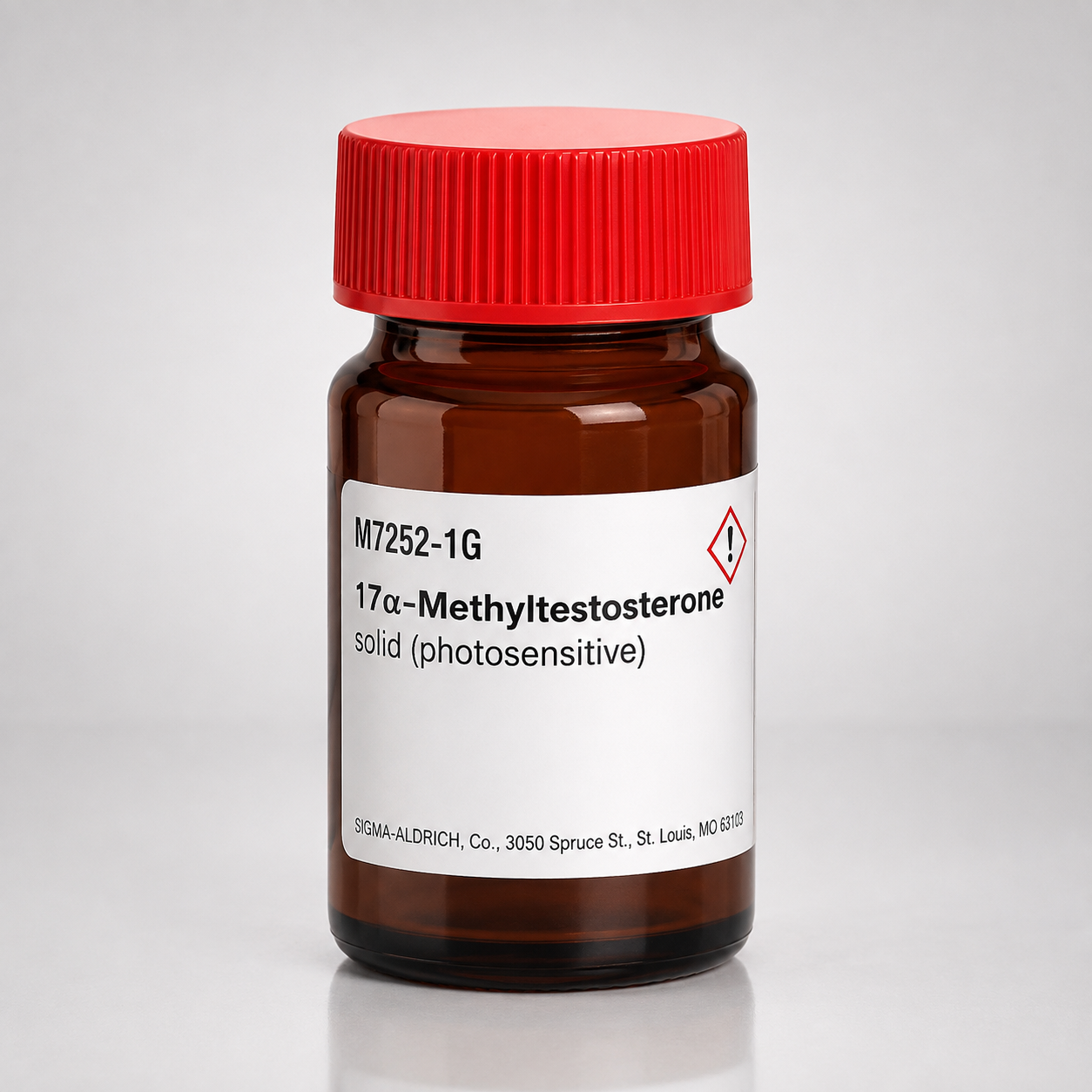
17a-Methyl-1-Testosterone
Synthetic Androgenic Steroid Research Compound
17a-Methyl-1-testosterone is a synthetic androgenic steroid research compound studied in analytical, biochemical, pharmacological, and steroid-structure research. Researchers examine its molecular structure, chemical characteristics, receptor-related activity, metabolism, and analytical properties in controlled laboratory environments.
The compound is structurally related to 1-testosterone and contains a methyl substitution at the 17α position. Therefore, researchers can use this compound in comparative studies involving related steroid structures and molecular modifications.
17a-Methyl-1-Testosterone Key Characteristics
- Compound Name: 17a-Methyl-1-testosterone
- Alternative Name: 17α-Methyl-1-Testosterone
- Chemical Class: Synthetic androgenic steroid
- Structural Relationship: 1-Testosterone analogue
- 17α Substitution: Methyl group
- Research Areas: Steroid chemistry, analytical research, biochemical studies, and pharmacological research
- Intended Application: Laboratory and analytical research
17a-Methyl-1-Testosterone Research Profile
Researchers study 17a-Methyl-1-testosterone to understand how structural modifications can affect the characteristics of steroid compounds. In particular, the 17α-methyl modification provides a useful structural feature for comparative steroid research.
Additionally, laboratories may investigate the compound’s identity, purity, stability, molecular behavior, and relationship to structurally related androgenic steroids. These studies can help researchers better understand structure–activity relationships within steroid chemistry.
Research Applications
17a-Methyl-1-testosterone research may involve several laboratory applications, including:
- Androgen receptor research
- Steroid structure–activity relationship studies
- Comparative steroid chemistry
- Analytical identification and characterization
- Metabolism and biotransformation research
- Pharmacological investigation
- Chromatographic analysis
- Mass-spectrometric analysis
- Purity and stability assessment
Furthermore, researchers can compare this compound with related steroid structures to investigate how specific molecular substitutions influence analytical and biochemical characteristics.
Structural and Chemical Research
The molecular structure of 17a-Methyl-1-testosterone makes it relevant to research involving modified steroid frameworks. Researchers can examine the relationship between structural changes and chemical properties through appropriate analytical techniques.
For example, laboratories may use chromatographic and spectrometric methods to evaluate compound identity, purity, and stability. Such analytical work can support controlled studies involving synthetic steroid reference materials.
Analytical Research
Methyl-1-testosterone research can include laboratory analysis using suitable instrumental methods. Depending on the research objective, laboratories may investigate:
- Molecular identity
- Sample purity
- Chemical stability
- Compound degradation
- Chromatographic behavior
- Mass-spectrometric characteristics
- Batch consistency
In addition, researchers should use validated laboratory procedures and appropriate reference standards when conducting analytical work.
17a-Methyl-1-Testosterone Specifications
| Property | Information |
|---|---|
| Compound | 17a-Methyl-1-testosterone |
| Chemical Class | Synthetic androgenic steroid |
| Molecular Formula | C₂₀H₃₀O₂ |
| Molecular Weight | 302.5 g/mol |
| Structural Relation | 1-Testosterone analogue |
| Research Category | Steroid and analytical research |
Methyl-1-testosteroneQuality and Documentation
For laboratory research, researchers should review the documentation available for the applicable batch. Where supplied, documentation may include:
- Compound identity
- Purity or assay information
- Batch or lot number
- Certificate of Analysis (COA)
- Analytical results
- Applicable storage information
Moreover, researchers should verify batch-specific documentation before using any material in analytical or experimental workflows.
Research Use and Precautions
17a-Methyl-1-testosterone is a pharmacologically active synthetic steroid compound. Therefore, product information should remain focused on legitimate scientific, analytical, and laboratory research.
Researchers should follow appropriate laboratory safety procedures, institutional requirements, and applicable regulations when handling synthetic steroid research materials. This information does not provide instructions for human use, dosing, cycles, or performance enhancement.
Frequently Asked Questions
What Is 17a-Methyl-1-Testosterone?
17a-Methyl-1-testosterone is a synthetic androgenic steroid compound studied in steroid chemistry, analytical, biochemical, and pharmacological research.
What Research Areas Study This Compound?
Researchers may study it in androgen receptor research, steroid structure–activity studies, analytical chemistry, metabolism research, and comparative steroid investigations.
What Is the Relationship to 1-Testosterone?
The compound has a structural relationship to 1-testosterone and includes a methyl substitution at the 17α position, making it relevant to comparative steroid-structure research.
What Analytical Methods Can Researchers Use?
Depending on the research objective, laboratories may use techniques such as HPLC, LC-MS, GC-MS, and other validated analytical methods for compound characterization.
Is a Certificate of Analysis Available?
Batch-specific documentation may include a Certificate of Analysis and other analytical information. Researchers should review the documentation supplied with the applicable batch.
Important Disclaimer
This product description is provided for scientific, analytical, and legitimate research purposes only. 17a-Methyl-1-testosterone should not be presented as a dietary supplement, treatment, or performance-enhancement product.


Leave a Reply